


Thailand continues to strengthen its position as a major investment destination in Southeast Asia, particularly in technology, digital services, advanced manufacturing, and innovation-driven industries. In 2026, the Thailand Board of Investment (BOI) remains one of the most important government mechanisms supporting foreign direct investment and long-term business expansion in the country.
While many investors initially focus on tax exemptions and investment privileges, a successful BOI application requires far more than simply meeting basic requirements. Companies must carefully evaluate their business structure, operational model, compliance obligations, and long-term investment strategy before submitting an application.
Strategic BOI Activity Classification
One of the most important stages of the BOI process is determining whether the proposed business activities qualify under the BOI-promoted categories. This process has become increasingly complex as many modern businesses operate under hybrid models involving software development, consulting, digital services, regional support functions, or international operations.
The BOI evaluates projects based on the actual operational activities, investment value, technology contribution, and economic impact in Thailand. Businesses are therefore expected to clearly explain their operational structure and demonstrate how the project aligns with Thailand’s investment policies and targeted industries.
For foreign investors, proper activity classification is especially important because it may directly affect foreign ownership privileges and operational flexibility under Thai regulations. Applications that contain unclear business descriptions or insufficient supporting details often face delays and additional clarification requests during the review process.
As a result, many businesses now conduct detailed operational and regulatory assessments before submitting BOI applications in order to reduce potential compliance and approval risks.
Tax Incentives and Corporate Structuring
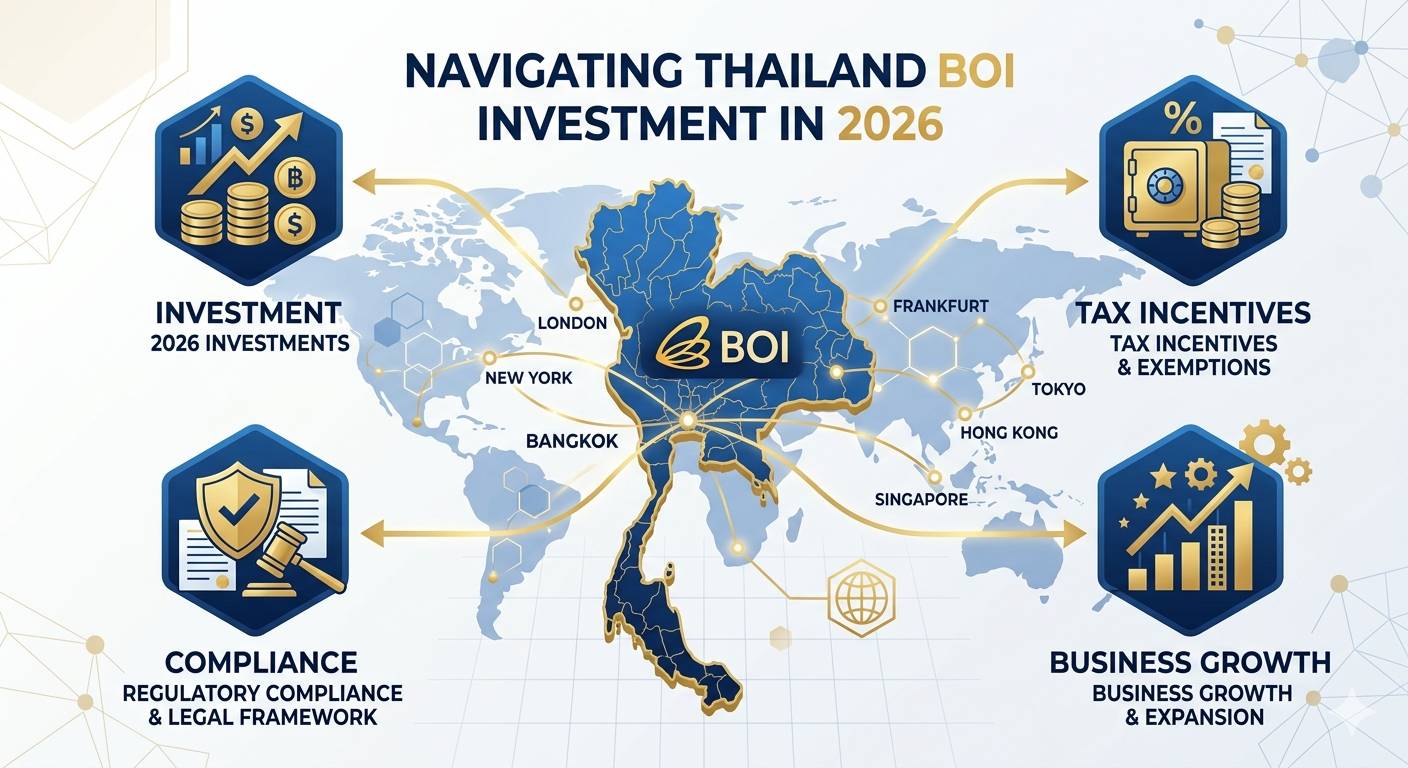
Thailand BOI promotion continues to provide valuable tax incentives in 2026, including corporate income tax exemptions and import duty privileges for qualified projects. However, obtaining these benefits is only one part of the overall process.
Businesses must also establish proper accounting systems and corporate structures to maintain ongoing compliance throughout the promoted period. This is particularly important for companies operating both BOI-promoted and non-promoted activities within the same entity.
In practice, businesses are expected to maintain accurate accounting records, clear revenue segregation, and proper expense allocation methods to support tax compliance requirements. Without proper structuring, companies may face complications during tax audits or BOI compliance reviews.
International companies should also carefully assess how cross-border transactions, management fees, intellectual property arrangements, and transfer pricing policies interact with their BOI structure in Thailand. As global tax regulations continue to evolve, companies are increasingly expected to maintain transparent and commercially justifiable operational structures.
BOI Compliance and Regulatory Risk Management
Many companies underestimate the importance of post-approval compliance after receiving BOI promotion. In reality, long-term compliance management has become one of the most important aspects of maintaining BOI privileges in Thailand.
The BOI expects companies to operate consistently with the approved project details submitted during the application process. If actual operations materially differ from the approved business scope, businesses may face compliance reviews or potential regulatory consequences.
Compliance risks commonly arise when companies expand their services, modify operational structures, relocate assets, or change management arrangements without properly reviewing the BOI implications. In some cases, businesses unintentionally create compliance exposure simply because operational decisions were implemented without considering regulatory requirements.
As regulatory oversight continues to increase in 2026, businesses are expected to maintain stronger internal controls, accurate supporting documentation, and regular compliance monitoring procedures. Companies that proactively manage their BOI obligations are generally in a stronger position to protect their incentives and reduce long-term regulatory risks.
Foreign Ownership and Workforce Planning
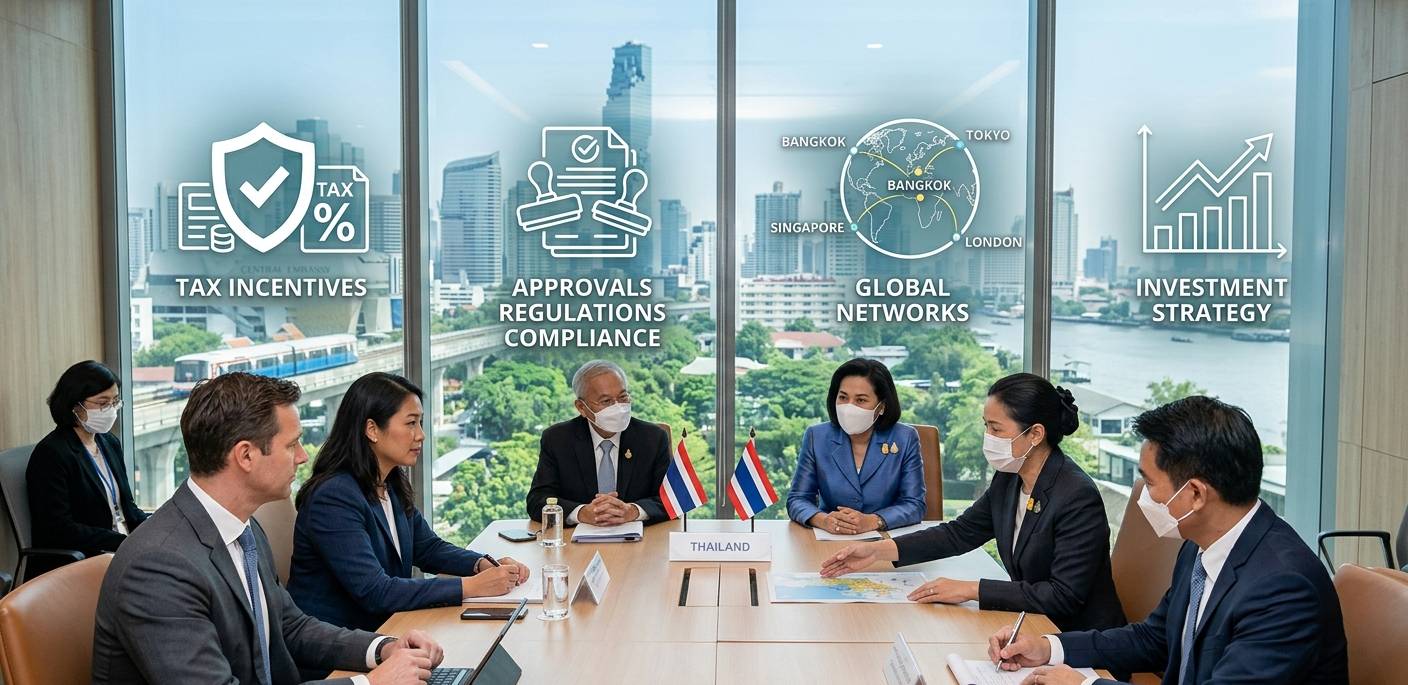
One of the major advantages of BOI promotion is the operational flexibility available to foreign investors. BOI-promoted companies may benefit from foreign ownership privileges, streamlined visa procedures, and work permit support for foreign specialists and executives.
However, these benefits still require careful planning and proper implementation. Businesses must ensure that their operational activities, employee roles, and management structures remain aligned with the approved BOI project scope.
This is particularly important for companies operating regional headquarters, technology development centers, digital platforms, or cross-border service businesses. As business operations become increasingly international in 2026, many companies must also evaluate immigration, labor, tax, and operational considerations together as part of their BOI strategy.
A successful BOI structure should therefore integrate investment planning, workforce management, tax compliance, and long-term operational scalability into one coordinated framework.
Thailand BOI promotion continues to provide significant opportunities for foreign investors seeking sustainable growth and regional expansion in 2026. However, obtaining BOI approval requires more than simply applying for tax incentives.
Businesses that adopt a strategic and well-structured approach from the beginning are generally better positioned to secure approvals, maintain compliance, and fully maximize the long-term benefits available under Thailand’s investment promotion framework.
