


Many expats in Thailand believe that if they did not earn income, there is no need to file a tax return. However, Thai tax practice can be more nuanced. In certain situations, filing a zero-income (nil) tax return is still advisable—and sometimes necessary—to maintain a clean tax record and avoid future complications.
This article explains when expats should file a zero-income tax return in Thailand, what documents are needed, and the risks of not filing.
Who Is Considered an Expat Taxpayer in Thailand?
An expat (foreigner) may be considered a Thai taxpayer if they:
- Stay in Thailand 180 days or more in a calendar year (Thai tax resident)
- Earn income from Thailand, regardless of residency status
Even without income, some expats remain registered in the Thai tax system due to prior employment, visa history, or previous filings.
Is Filing Required If an Expat Has Zero Income?

The short answer: It depends — but filing is often recommended.
Expats may consider filing a zero-income return if:
- They previously worked in Thailand and filed tax returns
- They hold or renew a work permit
- They need tax evidence for:
- Visa renewal
- Bank or loan applications
- Immigration or government processes
- They want to avoid questions from the Revenue Department in future years
While Thai law does not always strictly mandate filing when there is no assessable income, filing a nil return helps demonstrate compliance.
Common Situations Where Expats Have Zero Income
- Between jobs in Thailand
- On sabbatical or unpaid leave
- Living in Thailand on savings
- Freelancers without Thai-source income
- Retirees below the taxable threshold
- Overseas income not remitted into Thailand during the tax year (subject to current rules)
Tax treatment may change depending on remittance timing and updated Revenue Department interpretations.
Which Tax Form Should Expats File?
Personal Income Tax Return:
- PND 91 – For income from employment only
- PND 90 – For income from multiple sources or self-employment
For zero income:
- Income sections are reported as 0
- Tax payable will be 0
- The return is often referred to as a “Nil Tax Return”
Returns can be filed:
- Online via the Revenue Department’s e-filing system
- In person at the local Revenue Office
Documents to Prepare (Even with Zero Income)
- Passport copy
- Visa and entry records
- Work permit (if any)
- Previous tax filings (if available)
- Explanation of income status (if requested)
Benefits of Filing a Zero-Income Return as an Expat
- Maintains a clean tax history
- Supports visa or work permit renewals
- Reduces risk of future tax disputes
- Demonstrates transparency and good compliance
- Avoids confusion when income resumes in later years
Many expats file nil returns proactively, even when not strictly required.
Penalties and Risks of Not Filing
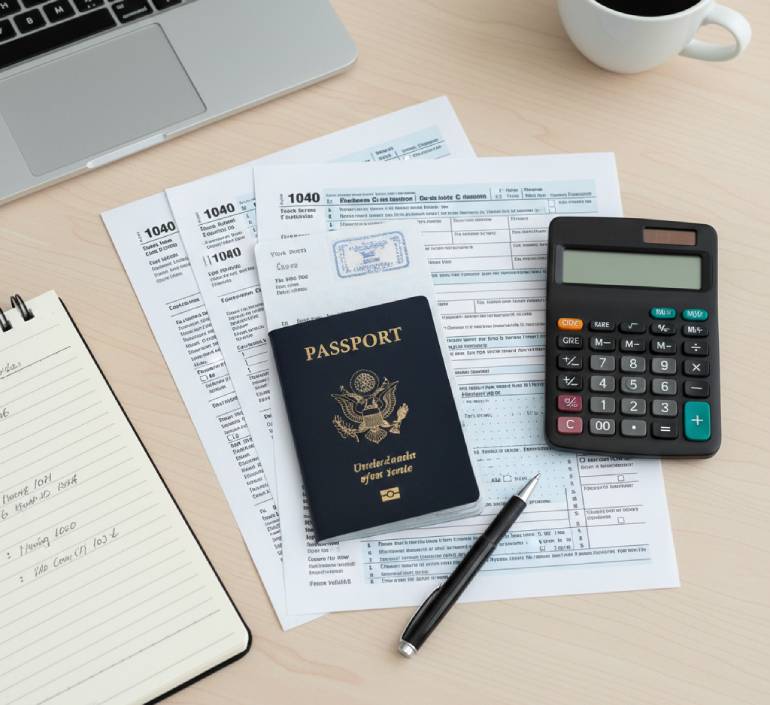
If an expat is expected to file but does not:
- Late filing penalties may apply
- The Revenue Department may issue inquiries
- Past non-compliance may complicate future filings
- Issues may arise when leaving Thailand permanently
Even when no tax is payable, administrative penalties can still occur.
Best Practices for Expats in Thailand
- Track days spent in Thailand carefully
- Understand Thai-source vs foreign-source income rules
- File nil returns consistently if previously registered
- Keep documentation for at least 5 years
- Consult a tax professional if rules change
Conclusion
For expats in Thailand, zero income does not always mean zero filing responsibility. While not mandatory in every case, filing a zero-income personal tax return is often a smart and safe approach to ensure ongoing compliance and peace of mind.
If you are unsure whether you should file, professional advice can help clarify your obligations and protect your tax position in Thailand.
