


Starting 1 January 2026 (B.E. 2569), Thailand will implement a significant change in its tax policy for online shopping by imposing Value Added Tax (VAT) and applicable customs duties on all foreign goods purchased online, regardless of their value. This reform marks the end of the long-standing exemption for low-value imports priced under 1,500 baht, which previously entered Thailand without VAT or customs duties.
The new measure is part of a broader government effort to modernize tax collection, ensure fairness in the marketplace, and strengthen domestic businesses in an increasingly competitive digital economy.
What Is Changing?
Under the previous system, consumers could purchase low-priced goods from overseas e-commerce platforms without paying VAT or import duties if the item value did not exceed 1,500 baht. This exemption contributed to the rapid growth of cross-border online shopping, particularly from foreign platforms offering lower prices than local sellers.
From 2026 onward, this exemption will be abolished. As a result:
- VAT (currently 7%) will apply to all imported online purchases
- Customs duties will be charged where applicable, based on product type
- No minimum price threshold will apply for tax exemption
- Foreign sellers and platforms may be required to register for VAT or collect tax at the point of sale
Why Is the Government Introducing This Change?
The policy is driven by several key objectives:
1. Creating a Level Playing Field
Local Thai businesses have long been required to charge VAT and comply with domestic tax regulations, while foreign online sellers benefited from tax exemptions on low-value goods. The new rule aims to eliminate this imbalance and ensure fair competition.
2. Supporting Thai SMEs and Retailers
Small and medium-sized enterprises (SMEs) in Thailand have faced pricing pressure from untaxed foreign imports. By applying the same tax rules to all sellers, the government hopes to strengthen domestic businesses and protect local employment.
3. Improving Tax Efficiency and Revenue Collection
As e-commerce continues to grow, taxing low-value imports has become increasingly important for sustainable government revenue and long-term fiscal stability.
4. Aligning with Global Tax Trends
Many countries have already removed low-value import exemptions and implemented digital VAT collection systems. Thailand’s reform brings its tax framework in line with international best practices.
Impact on Consumers
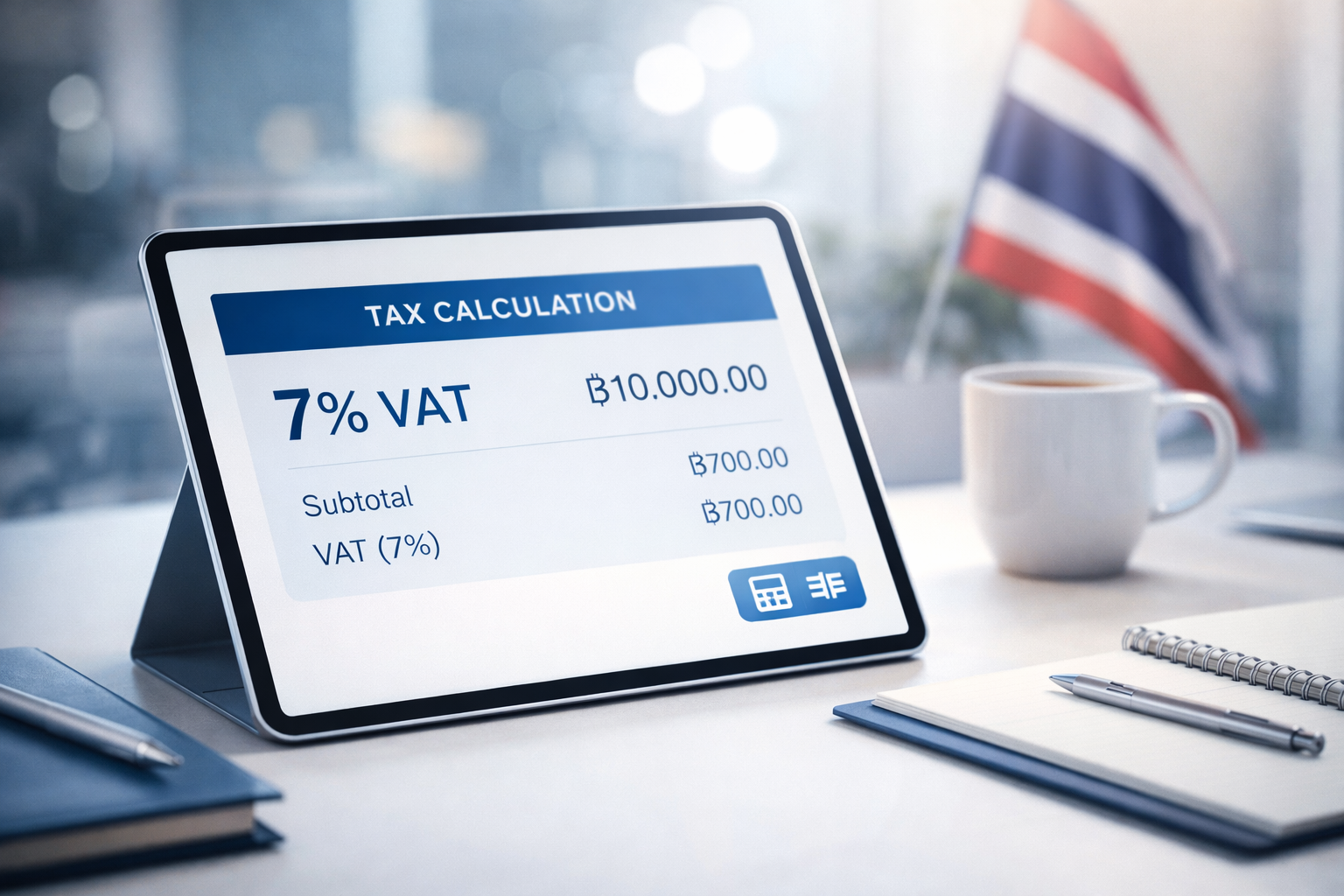
For consumers, the change means that foreign online purchases may become more expensive due to VAT and potential customs duties. Prices displayed on international platforms may increase, or taxes may be collected at checkout or upon import clearance.
However, the government expects that fairer competition will encourage stronger local alternatives, improved service quality, and greater consumer confidence in domestic e-commerce platforms.
Impact on Online Sellers and Platforms
Foreign e-commerce operators selling to Thai customers will need to:
- Review their VAT registration and compliance obligations
- Update pricing and checkout systems to reflect Thai tax rules
- Coordinate with logistics and customs service providers
Local sellers, on the other hand, may benefit from reduced price disparities and improved competitiveness.
The introduction of VAT and customs duties on all foreign online purchases from 1 January 2026 represents a major turning point in Thailand’s digital tax policy. While consumers may see slightly higher prices on imported goods, the reform aims to promote fairness, protect local businesses, and modernize the country’s tax system in line with global standards.
As Thailand’s e-commerce market continues to evolve, this policy change underscores the government’s commitment to building a more balanced and sustainable digital economy.
