


Value Added Tax (VAT) is an important part of Thailand’s tax system, affecting most businesses engaged in the sale of goods and services. While the standard VAT rate in Thailand is 7%, certain transactions are subject to 0% VAT, also known as zero-rated VAT. Understanding how 0% VAT works is essential for businesses, especially exporters and companies dealing with international transactions.
This article explains what 0% VAT in Thailand means, which transactions qualify, and what businesses need to be aware of when applying it.
What Is 0% VAT in Thailand?
0% VAT means that goods or services are taxable, but the VAT rate applied is 0% instead of 7%. This is different from VAT-exempt transactions.
The key advantage of 0% VAT is that businesses can still claim input VAT credits or refunds for VAT paid on related expenses, even though they do not charge VAT to their customers.
Difference Between 0% VAT and VAT Exemption
| Item | 0% VAT (Zero-Rated) | VAT Exempt |
|---|---|---|
| VAT charged to customer | 0% | No VAT |
| Input VAT credit | Allowed | Not allowed |
| VAT registration required | Yes | Usually not required |
This distinction is very important for business cash flow and tax planning.
Transactions Eligible for 0% VAT in Thailand
Under the Thai Revenue Code, the following transactions commonly qualify for 0% VAT:
1. Export of Goods
Goods exported out of Thailand are subject to 0% VAT, provided there is clear export evidence, such as:
- Export declaration
- Bill of lading or airway bill
- Customs clearance documents
2. Services Rendered in Thailand but Used Overseas
Services performed in Thailand may qualify for 0% VAT if:
- The service is used outside Thailand
- The service recipient is located overseas
Examples include certain consulting, engineering, or IT services provided to foreign clients.
3. International Transportation
- International transport of goods or passengers by air or sea
- Services directly related to international transportation
4. Sales to Duty-Free or Free Zone Businesses
Certain sales to:
- Free Zone operators
- Bonded warehouses
- Duty-free shops
may qualify for 0% VAT if legal conditions are met.
5. Sale of Goods or Services to the United Nations or Diplomatic Missions
Sales made to:
- United Nations organizations
- Embassies and consulates may be zero-rated, subject to proper documentation.
Conditions to Apply 0% VAT
To legally apply 0% VAT, businesses must:
- Be VAT-registered in Thailand
- Issue correct tax invoices
- Maintain complete supporting documents
- File monthly VAT returns (PP.30) on time
Failure to meet documentation requirements may result in the Revenue Department reclassifying the transaction and charging 7% VAT plus penalties.
Input VAT Refunds for 0% VAT Businesses
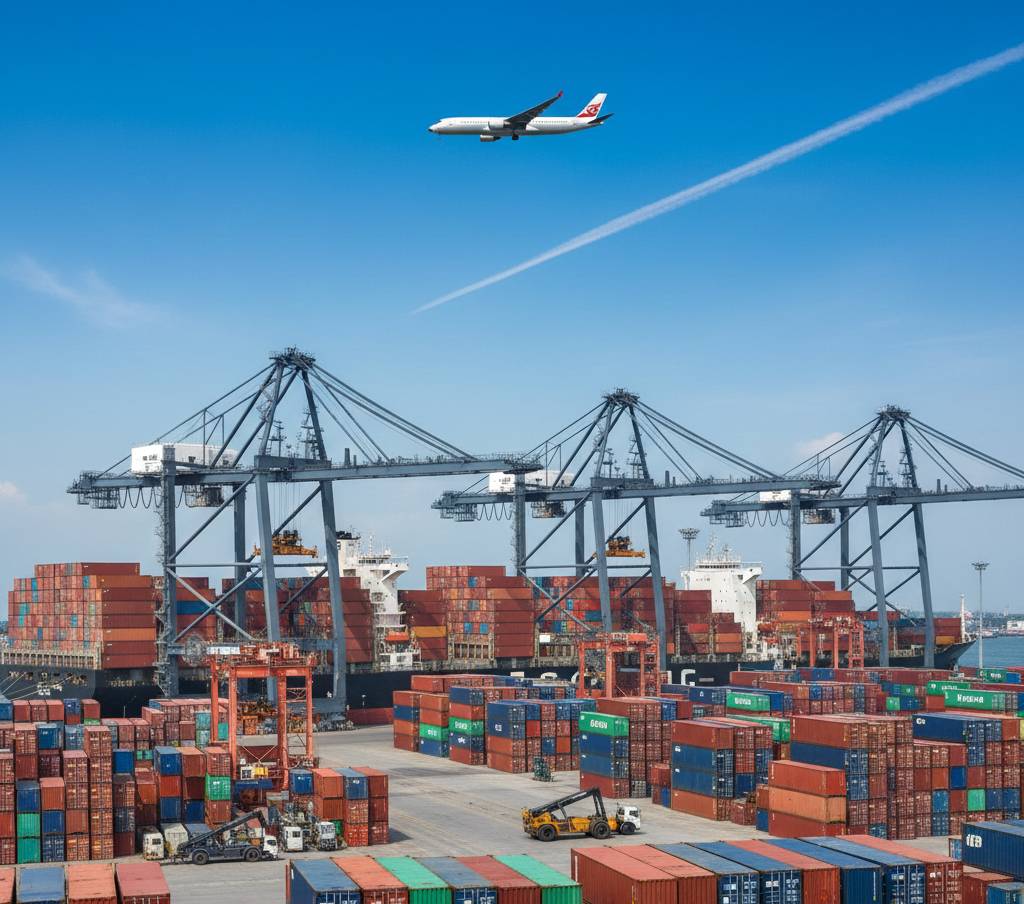
Businesses with a high volume of zero-rated transactions (such as exporters) often have excess input VAT. This can be:
- Carried forward to future months, or
- Claimed as a VAT refund from the Thai Revenue Department
VAT refunds are subject to review and may require additional documentation or audits.
Common Mistakes to Avoid
- Assuming overseas clients automatically qualify for 0% VAT
- Lacking proof that services are used outside Thailand
- Incorrect or incomplete tax invoices
- Mixing exempt income with zero-rated income incorrectly
Professional tax advice is often recommended for cross-border transactions.
Conclusion
0% VAT in Thailand provides significant benefits for exporters and businesses engaged in international trade. While it allows companies to remain competitive and recover input VAT, it also requires strict compliance with Thai tax regulations and documentation standards.
Understanding the difference between zero-rated and exempt transactions—and applying the rules correctly—can help businesses avoid penalties and improve cash flow.
